
A rigorous thought-provoking adventure through the muddy jungle of Papua New Guinea.
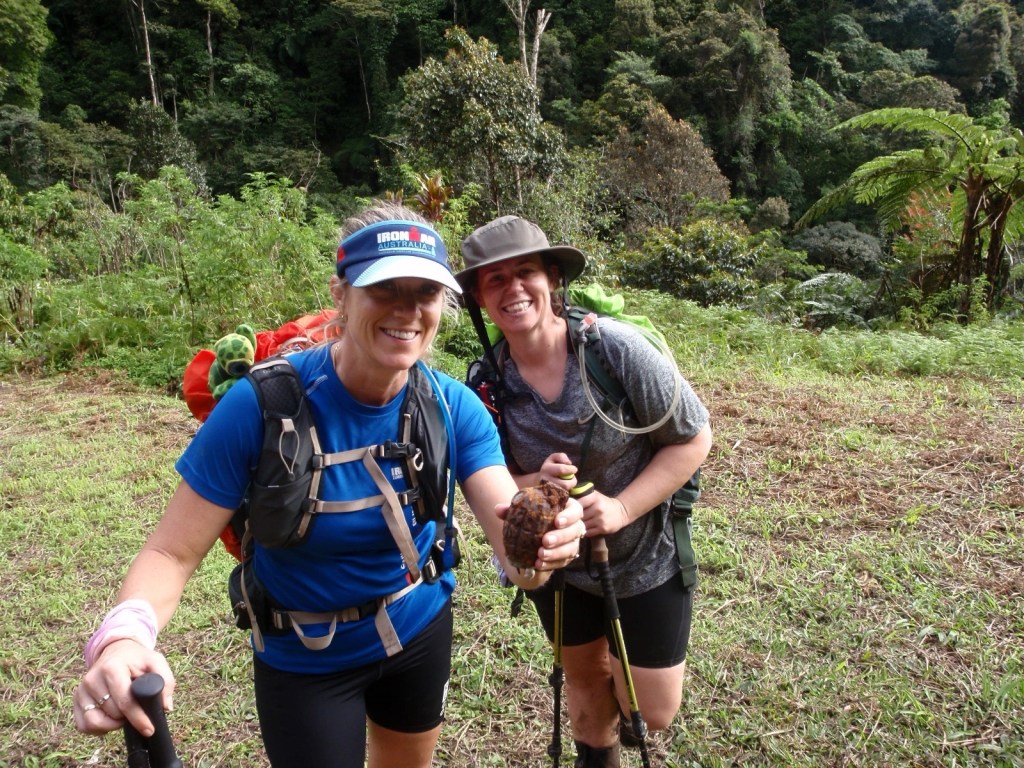
Whatever your reasons for visiting, whether it be the physical challenge, historical connection, or self-reflection, the more you immerse yourself in the Kokoda Track the more you will gain from it. My porter Loxie became my personal guide, not just carrying some of my gear but catching me if i slipped and guiding me across the rocky creek crossings. We chatted about all sorts of things, providing a brief insight into the culture that we were visiting. He laughed at my inability to grasp even simple phrases in ‘Pidgin’ and ‘Motu’ languages (I only managed one word – demdem = snail!), and would sheepishly confess if he had slept in when he rushed to pack down the tent.
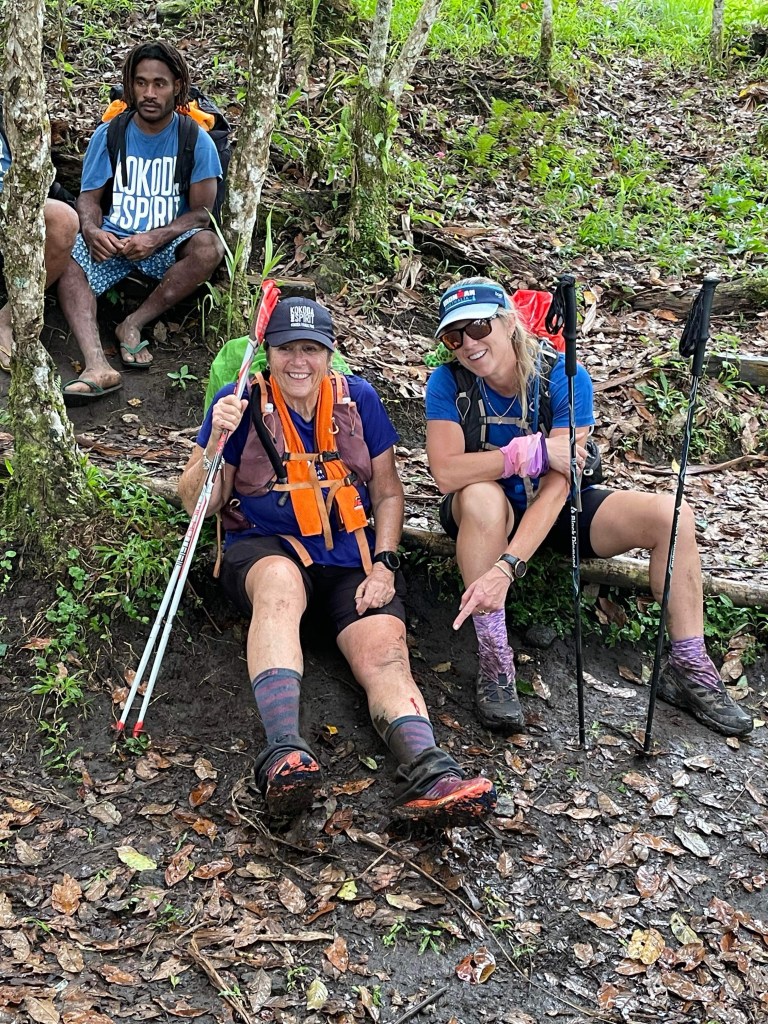
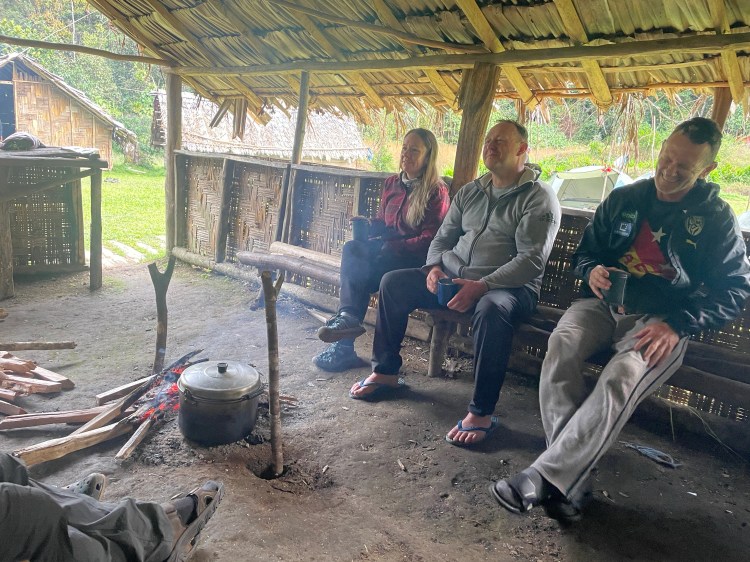
Our group became one big family from the minute we introduced ourselves and everyone went out of their way to encourage and boost each other throughout the trip. I had expected to feel alone on this trip and spend the time clearing out the clutter in my head. I did come away feeling refreshed and enriched, but rather than introspection, it was the stories and connections I had with this awesome group of people that inspired and energized me.
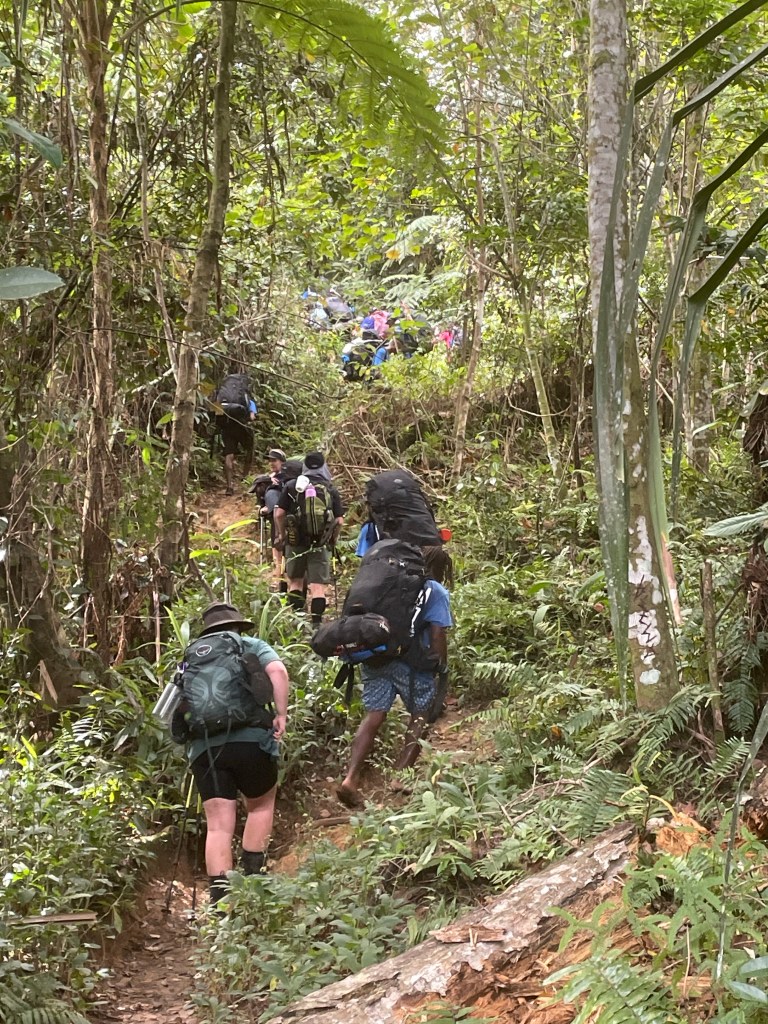
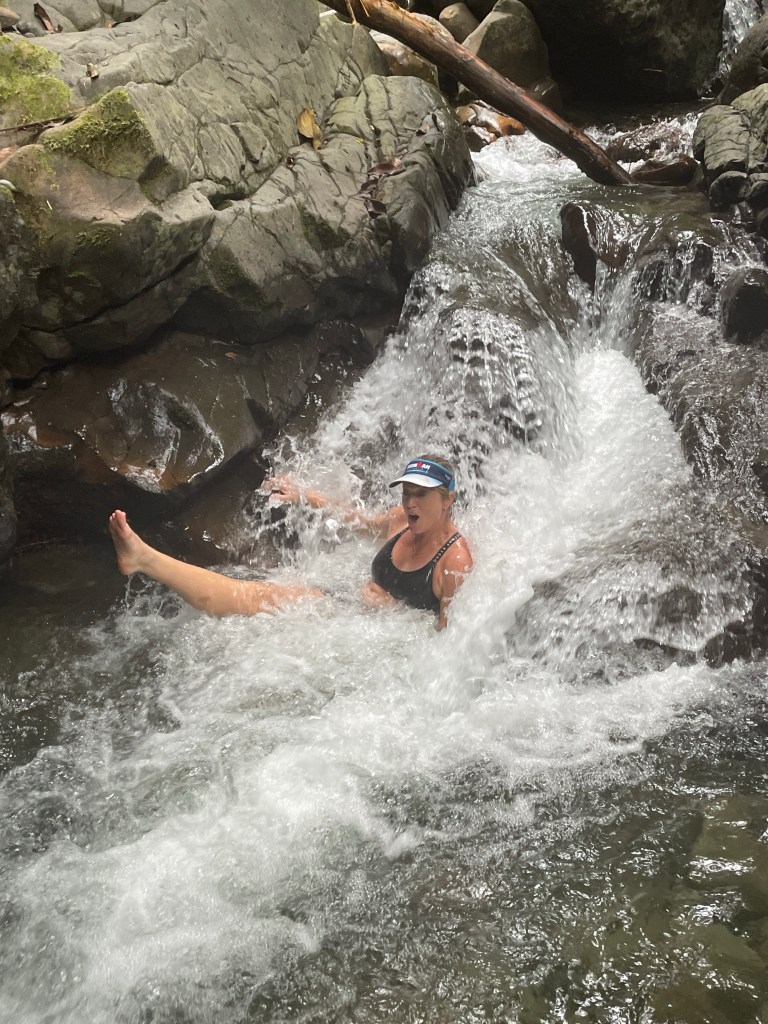
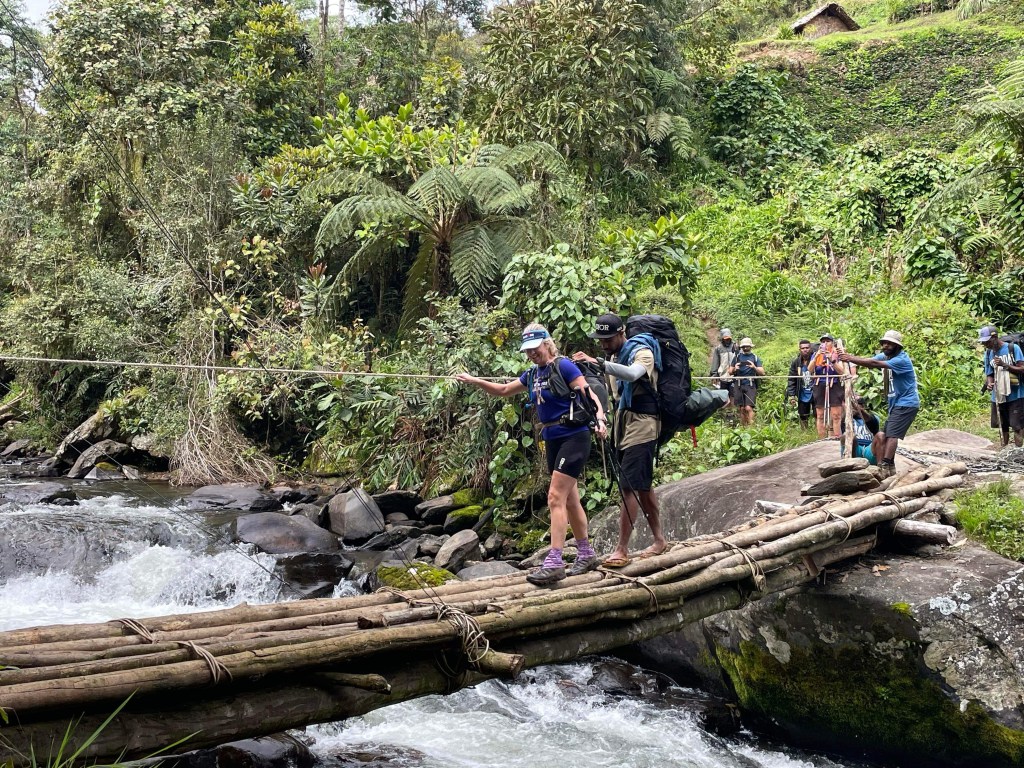
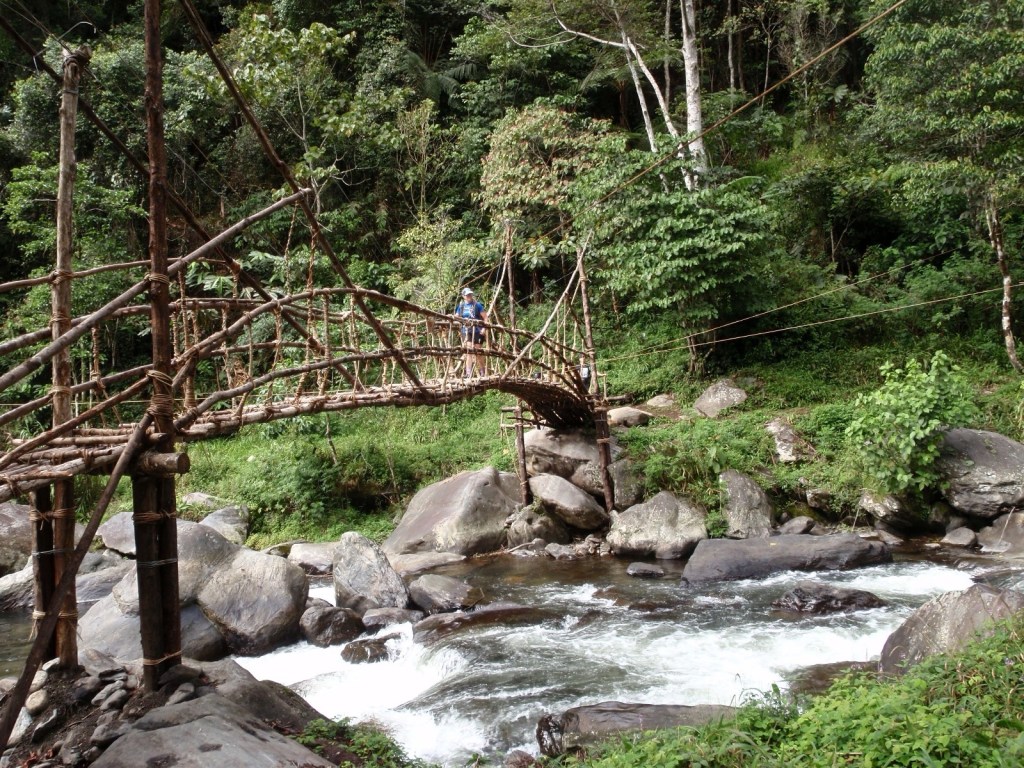
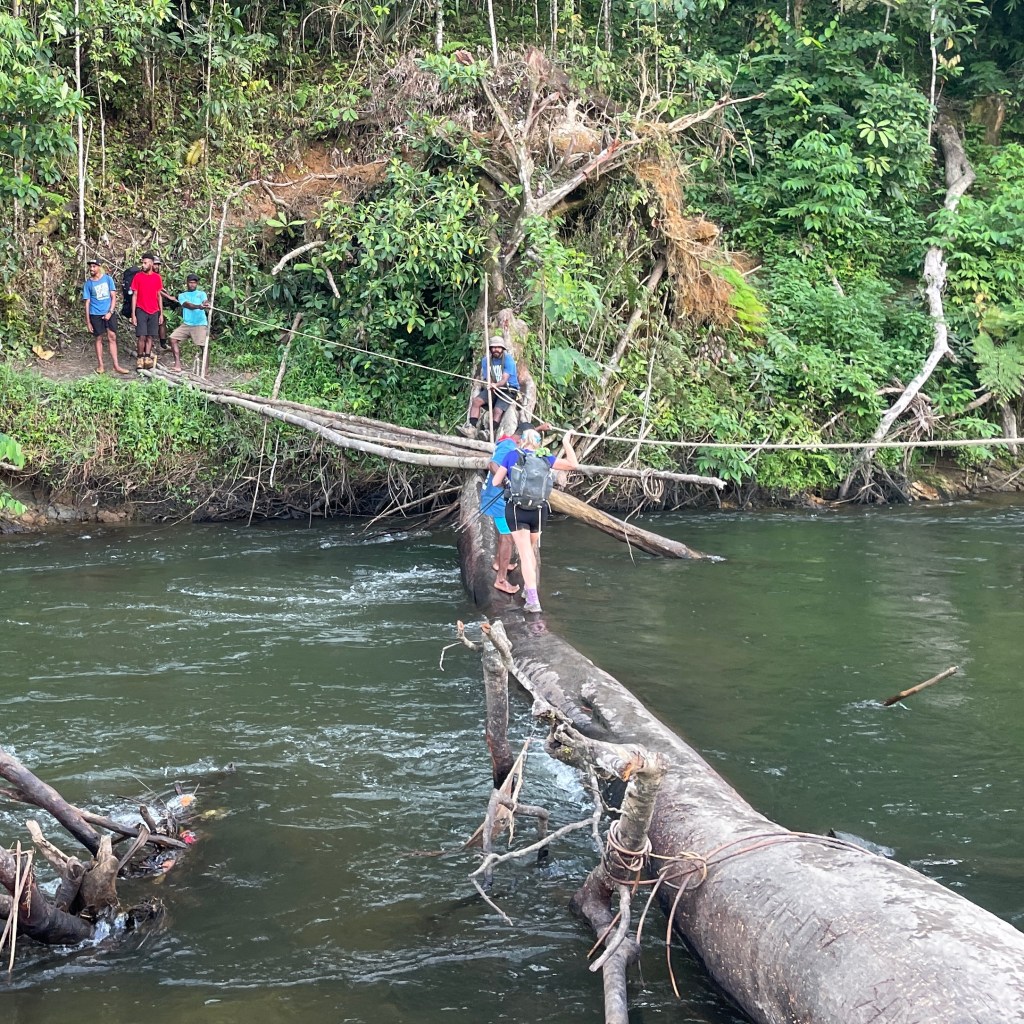
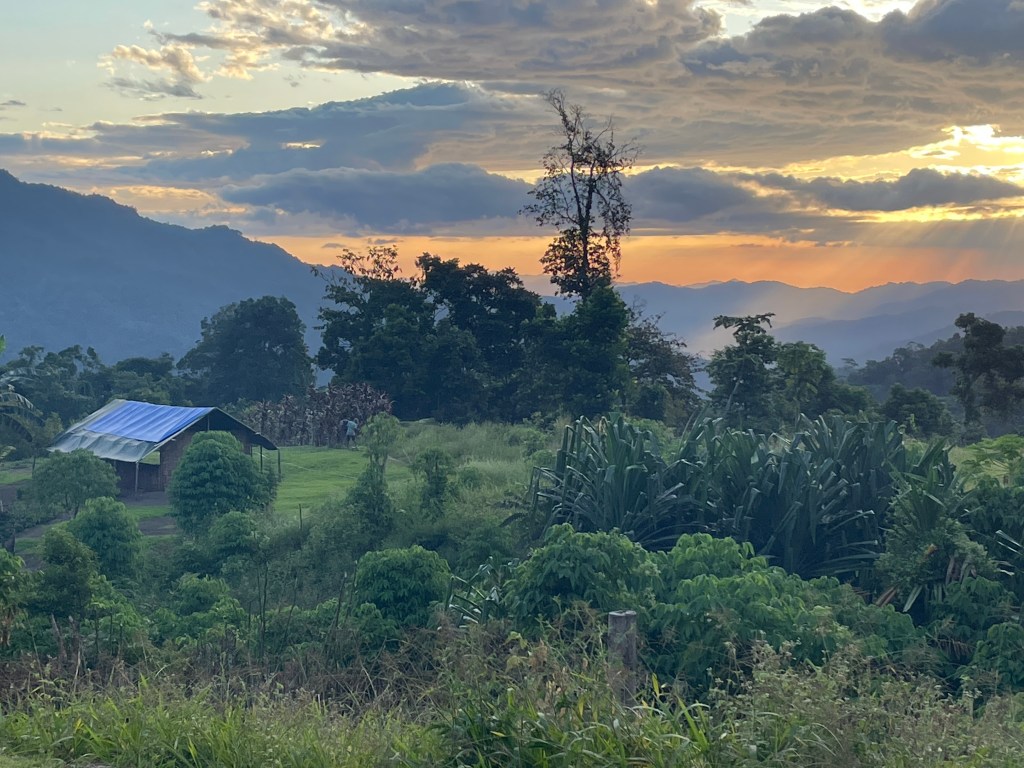
And now for the track itself, it commands your attention, because any lapse in concentration could end badly as we navigated the slippery mud, gnarled tree roots and greasy log balance beams . There is no such thing as flat on the map profile, only words such as ‘steep’ or ‘very steep’ written on both the inclines and declines. The scenery changes dramatically throughout and the dense jungle is interspersed with quaint little villages that seem to magically appear out of nowhere. Clear mountain creeks provided a way to cool down and revive your tired muscles. The dramatic and sobering history of the track is important to acknowledge, and I was grateful to have brought along the Kokoda Track Guide by Bill James so that I could follow along with the significant events along the way. There are numerous plaques along the way to ensure that everyone can connect with the history even if you aren’t lugging along a heavy guidebook.


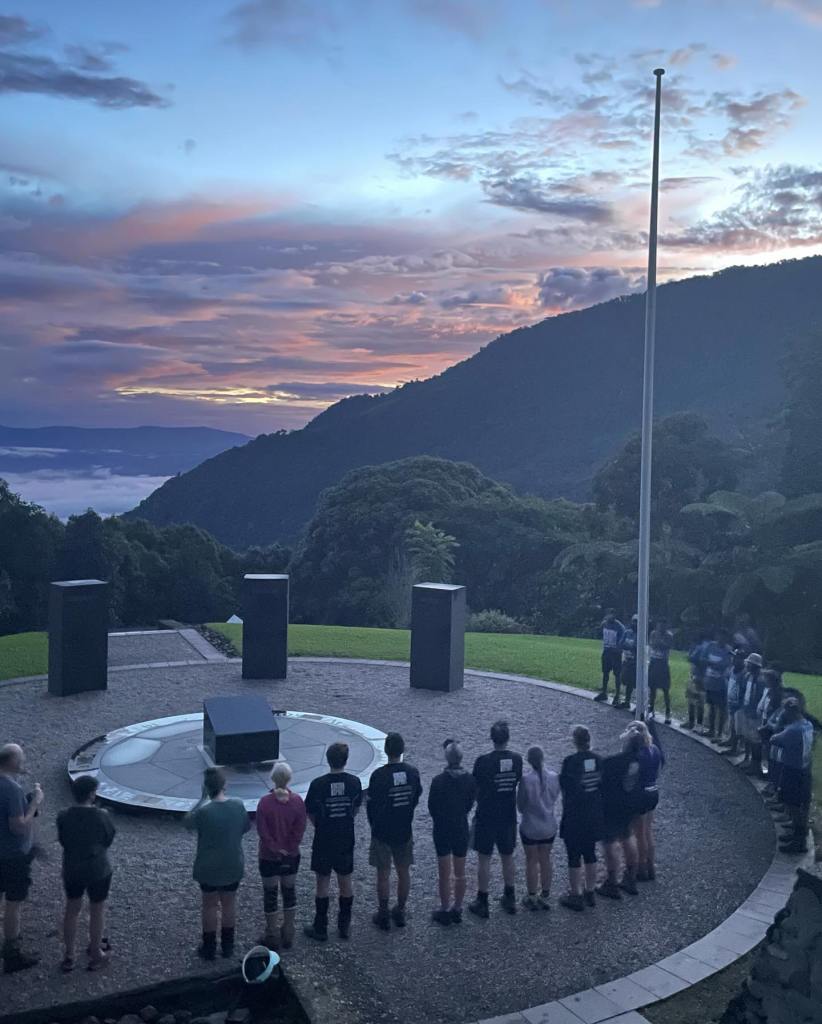
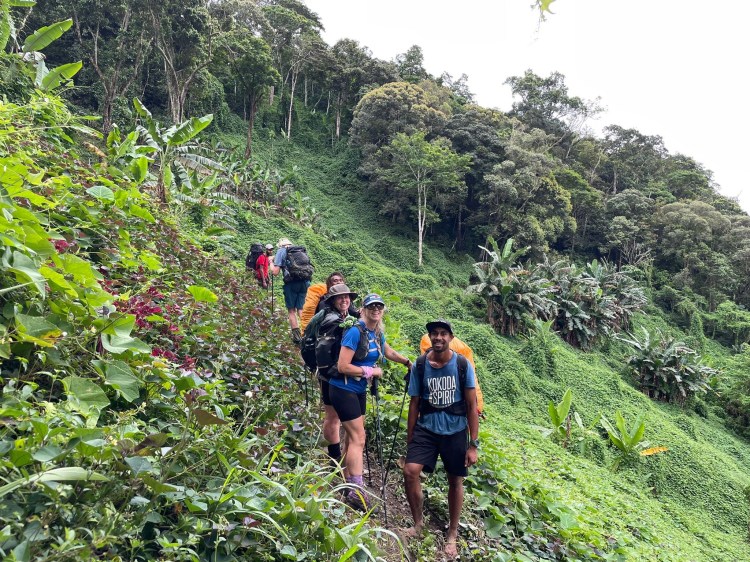
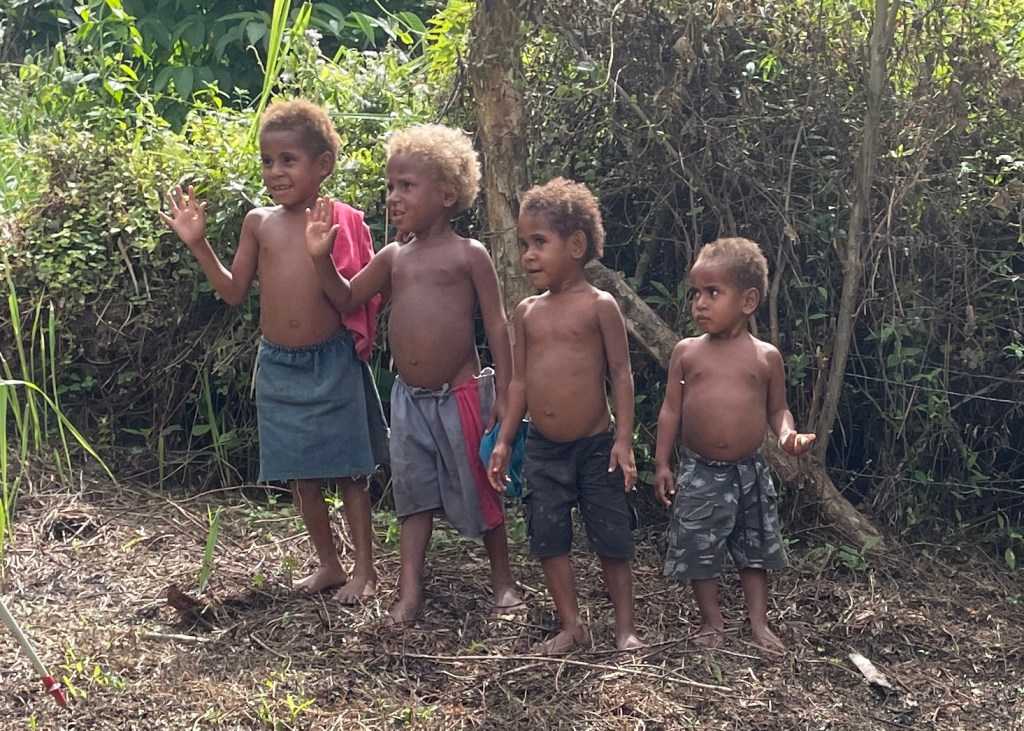
I thoroughly enjoyed my time in the jungle of Papua New Guinea, the opportunity to disconnect from the outside world enabled me to be in the moment without distractions and just focus on putting one step in front of the other. The sense of achievement and memories of the sublime swimming locations will stay with me that’s for sure!!
COURAGE – To step outside your comfort zone and stand up for what’s important.
ENDURANCE – To stay the journey and never give up.
MATESHIP – To act with integrity, embrace diversity and have each others back.
SACRIFICE – To serve a cause greater than self.

TRIP NOTES:
Day 1 – Bomana War Cemetery visit then Owens corner to Goodwater campsite (3 hours) Note: Crossing the Goldie River
Day 2 – Goodwater campsite to Ioribaiwa village (8 hours) Note: Crossing over Imita Gap, 22 river/creek crossings
Day 3 – Ioribaiwa village to Agulogo campsite (11 hours) Note: Ofi Creek (the grotto).
Day 4 – Agulogo campsite to Efogi No 1 campsite (10 hours) Note: Brigade Hill, Enili Creek.
Day 5 – Efogi No 1 campsite to 1900 Crossing campsite (6 hours) Note: Nishimura’s Monument at Efogi No 2, Naduri village – home of the longest serving Fuzzy-wuzzy Angel.
Day 6 – 1900 Crossing campsite to Templeton’s Crossing campsite (5 hours) Note: Kokoda gap.
Day 7 – Templeton’s Crossing campsite to Isurava campsite (9 hours) Note: ‘Sydney harbour bridge’ over Eora Creek, Alola village, Surgeon’s Rock.
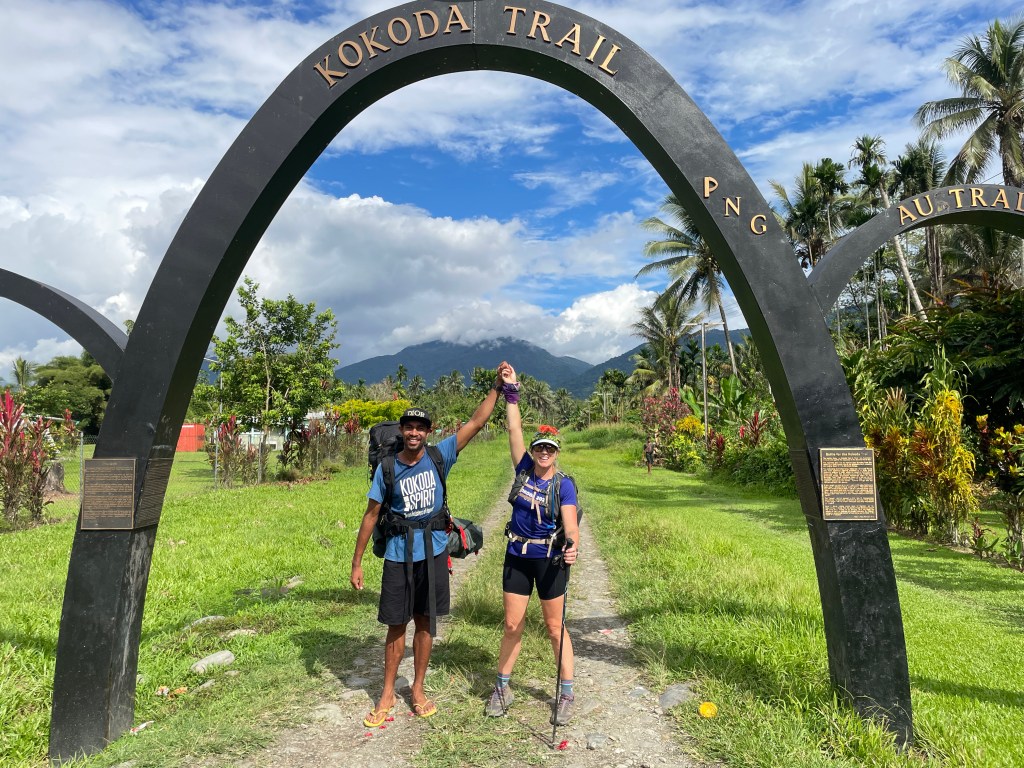
Day 8 – Isurava campsite to Kokoda village (8 hours) Note: Deniki campsite, mother nature’s butterfly sanctuary and Hoi Village.
Day 9 – Kokoda Village to Kokoda Airstrip (15min) Note: Flight back to Port Moresby
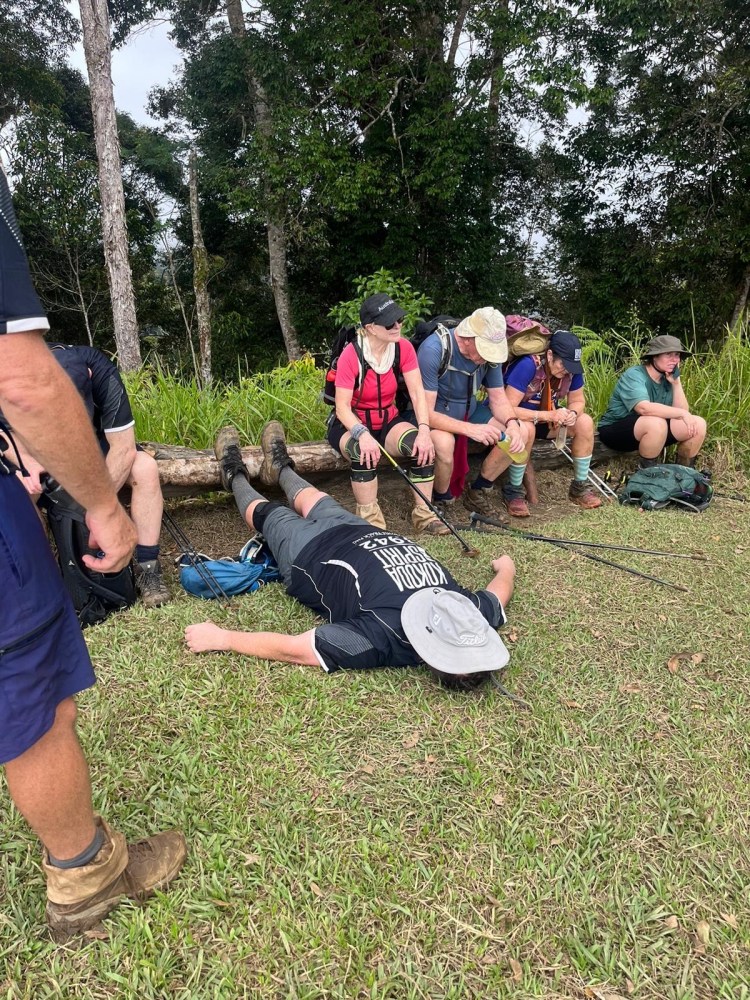

TRIP NOTES:
It is recommended to do the Track with a tour group for a number of reasons and given that most tour companies provide comprehensive packing lists, I have tried to offer additional insight rather than just a check-list.
- I wasn’t going to hire a porter but I am glad I did. It supports their local economy but also the porters become your personal guide/friend and provide insights that you can’t gain from reading books or walking on your own. Oh and having to carry less weight or pack your tent down in the rain is quite the luxury.
- Porters carry a maximum of of 20kg including their personal gear. The tent and backpack weigh about 5kg so that leaves you about 10kg – 12kg for your gear. I had mine in two large dry bags that were easy to swap in an out of the porters pack.
- Carry the gear you want access to (snacks, lollies, river shoes) in your daypack if you can. The porters do walk with you most of the time but you don’t want to have to annoy them to drop their pack and find stuff. Don’t forget to stash hand sanitiser everywhere and carry a chux/washer/towel to dry your feet after the river crossings.
- Bring additional sports nutrition, electrolytes and snacks. It’s hot and you are sweating bucket loads. You need the energy and to balance out the salts you have lost. It’s also nice to have enough to share around.
- Your clothes will likely not dry completely! If they are really wet roll them in your towel overnight to absorb as much moisture as possible. If they are only slightly damp put them in the bottom of your sleeping bag and your body heat will dry them.
- Footwear – this is the big one that I researched in-depth and found such varied opinions. My two-cents-worth is the following: I took non-gortex trail shoes and lightweight trail running gaiters. These were perfect for the winter ‘dry’ season as most of the time I kept my feet dry by stepping around or carefully through the mud and the few times I did get them wet the breathable uppers dried mostly. However, if I was going in wet season, I would swap to a gortex shoe with a canvas/hiking style gaiter to try and keep the mud out of my shoes. I took hiking gaiters with me but didn’t use them this time. Personally, I prefer a shoe over a boot unless it’s really hardcore terrain, but boots do offer better ankle protection. Whatever you decide – make sure they are comfy and feel good! I also took a pair of plastic slides for around camp and a pair of reefers for the river crossings.
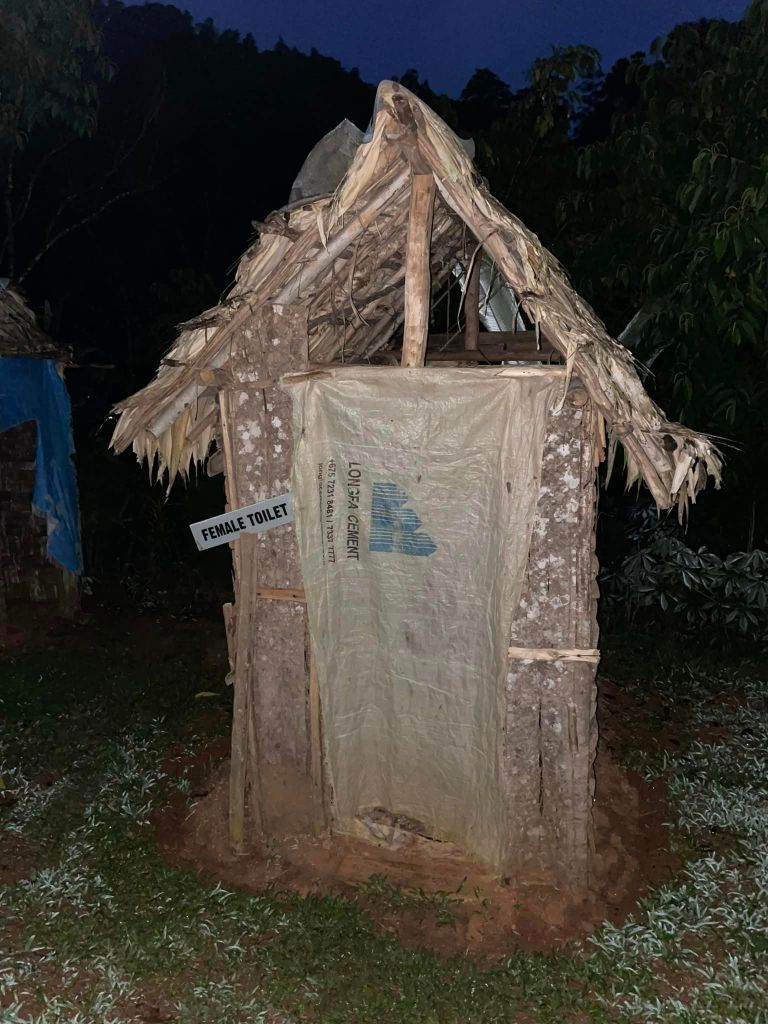
- Toileting – (for the ladies) I took antibacterial wetwipes and wiped the toilet seat each time. I then used femfresh wipes to keep ‘me’ clean and prevent infection. I still took toilet paper but used the wipes more often. I carried my ‘poo trowel’ but we there were toilets of some description at most of our rest stops and so I don’t think it’s necessary to carry one.
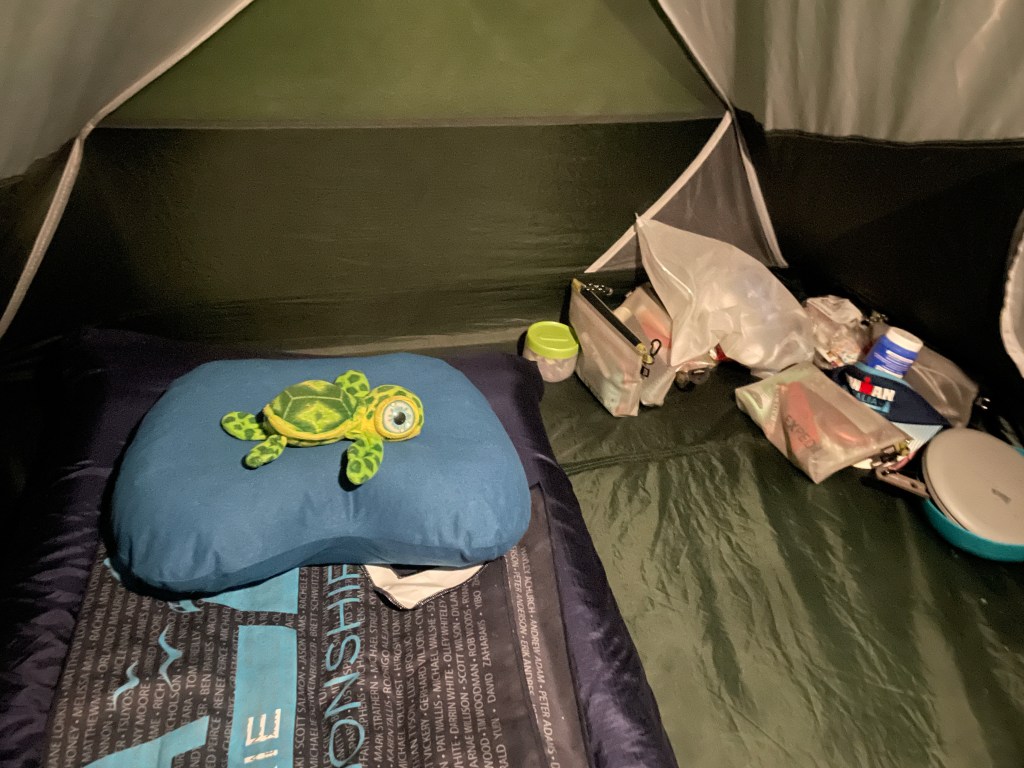
PACK LIST:
- Tent, ground sheet and porters pack were supplied by the tour company.
- Day pack 30 litres or so (a bit larger than school bag size)
- Sleep system – Mattress, pillow, Sleeping bag (0-5 degrees C will be fine – just wear extra clothes if you need)
- Walking poles – make sure you have two – you will need them!!
- Technology – Headtorch, camera, phone, watch and charging cords. I used 1 x 10000mAh powerbank and a back-up 5000mAh. I charged my garmin watch every night and topped up my iphone (camera) and had just enough to get through the trip. Some people had solar powerbanks.
- Mess kit – Large bowl with knife fork and spoon and mug. I didn’t really need a plate as such.
- Toiletries – toothbrush, toothpaste, deodorant (you will smell really bad regardless), wet wipes, lots of hand sanitiser, environmentally friendly body soap (and to wash clothes), ladies sanitary products, sunscreen and lip balm.
- Rain coat and maybe rain pants if you go in wet season.
- Clothing – 2/3 quick dry shirts, 2/3 shorts (note bike pants or short tights are the way to go – I took trekking shorts and they were wet and gross the whole time). 1 pair of long skins/compression tights to wear around camp and a lightweight long-sleeve shirt. Warm thermal or jumper, puffer jacket and beanie (it gets cold on the two nights you spend in the mountains). 2/3 sports bras, 1 pair of warm socks for evenings.
- Socks and Undees – bring enough for each day if you can – you will appreciate the luxury of fresh dry items in mornings.
- Towel -1 sarong for the ladies, a quickdry towel and a chux/cloth to dry your feet at the river crossings or dry your tent etc
- First Aid Kit – have it in your daypack. Get everything they recommend!! We used the antibiotics, strapping tape and blister kit on our trip.
- TeaTree Foot Powder/Curash Powder – important to keep your feet in good shape. We used it daily. I also got the tea tree foot spray which I didn’t really need but used as a deodoriser to hide the stench in my backpack and tent.
- Drink bottle, drink bladder and purification tablets, enough to carry 3L of water. There is heaps of water along the track but you don’t want to be caught short. Flexible flasks are great but not easy to fill up in creeks etc so bring at least one hard bottle.
- Pegs – bring a handful to stop your clothes from blowing back into the creek after washing. (true story!)
- Nail brush – ok so your nails could probably do with this too but you need a small scrubbing brush to clean your pack before you hand it back and to clean all the mud off your shoes and gear so you don’t get held up at customs on the way home.
OPTIONAL ITEMS
- Chair – if weight allows this is a welcome item for comfort, although I didn’t use mine as much as I expected to. On the long days we didn’t do much sitting around!! It was nice to relax in the sun on the shorter days.
- Razor (I didn’t take one), Shampoo/conditioner – I took dry shampoo but I didn’t use it – my hair got wet in the creeks and I keep it in a ponytail the whole time.
- Swimmers – I don’t think you need swimmers, just wear ‘sensible’ underwear and swim in that, as there is nowhere to get changed in and out of swimmers. For the gents the longer boxer brief style is a good choice.
- Buff or bandana – good for keeping the sweat off your face, could also double up as a beanie.
- Crocs or slides to wear around camp. Or just wear your water shoes?
- Scrubba Wash bag and soap/laundry sheets – (yes you could use a zip lock bag or a dry bag) but this handy little item doesn’t take up much room. I used mine as my dirty clothes bag to suppress the smell and it made washing my clothes an easy task. https://thescrubba.com.au/
- Small travel Umbrella (I didn’t take one and I don’t know if I would?) – supposedly good for bathroom visits and moving around camp when it’s wet?
- Body scrub/exfolilater for back at the hotel – this was a last minute luxury item that a friend gifted to me when I left, and i sent her many grateful vibes as it felt so good to really scrub the dirt away.
Do some fitness training, double-check your gear and you will be all set for the adventure that is the Kokoda Track.



 tommy the travelling turtle